Impact Wrench vs Impact Driver: Which Do You Need? (October 2026)
For the impact wrench vs impact driver choice, pick an impact wrench for socket-driven nuts and bolts or an impact driver for repeated screw driving. Match the attachment and controls to your main jobs before choosing a battery platform.
On this page (10 sections)
- Impact wrench vs impact driver: what is the difference?
- Which tool should you use for car work?
- Which tool should you use for construction and home projects?
- How much torque and control do you need?
- What should you check before buying either tool?
- How do you set up and use each tool correctly?
- What mistakes cause damaged fasteners and wasted effort?
- How do you care for an impact wrench or driver?
- Which should you choose: an impact wrench or impact driver?
- Sources
Choose an impact wrench for socket-driven nuts and bolts and an impact driver for repeated screw driving. The impact wrench vs impact driver decision starts with your fasteners, then moves to access, control and battery compatibility.
For wheels and garage repairs, a wrench is usually the useful first buy. For deck screws, framing connectors and general wood fastening, start with a driver.
Neither tool replaces every drill, ratchet or torque wrench. Buy for the work you repeat, rather than trying to cover every possible job with adapters.
 Best for cramped engine bays
Milwaukee M18 FUEL 3/8 Inch Compact Impact Wrench
 Best for home garage jobs
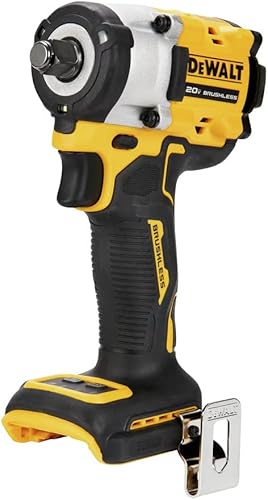
DeWalt DCF921B ATOMIC 1/2 Inch Impact Wrench
Impact wrench vs impact driver: what is the difference?
An impact wrench has a square drive for sockets, while an impact driver usually has a 1/4 in hex collet for bits. Their attachment systems explain most of the difference in daily use.
Both tools deliver rotational blows when resistance rises. This action helps turn a resistant fastener, but it doesn't measure final tightness.
A wrench's square drive accepts a socket with a matching drive opening. Common sizes include 3/8 in and 1/2 in, which describe the tool connection rather than the size of the nut.
A driver's collet holds compatible hex-shank bits, including screw bits and nut setters. That makes it convenient for repeated fastening with Phillips, Torx, square-drive and other screw heads.
Why does drive type matter in an impact wrench vs impact driver comparison?
Direct attachment gives you fewer connections and less added length. A socket fits straight onto a wrench, while a screw bit fits straight into a driver.
Adapters can bridge the fittings, but each extra connection adds play and takes up space. An adapter also has its own limits, so it shouldn't become the basis for choosing your main tool.
Our guide to what size impact wrench you need explains drive sizes. The impact wrench buying guide covers torque, anvil and battery choices.
Which tool should you use for car work?
Choose an impact wrench for automotive nuts and bolts when access and the repair procedure allow powered tools. Use a driver only for suitable screw work, with care around trim and small fasteners.
For wheel removal, a 1/2 in wrench is a common starting point. Match the socket to both the tool's drive and the lug nut, and check that it seats fully.
Crowded engine bays can favor a smaller wrench, but tool length is only part of the fit. Include the socket and any extension when judging whether you can keep the tool straight.
Skip impact use on delicate threads or assemblies whose service procedure calls for hand tools. Plastic parts, small brackets and soft metal threads can suffer damage before the tool feels heavily loaded.
For wheels, start nuts by hand during installation and follow the vehicle maker's tightening sequence. A torque wrench provides the final check to the specified value.
See how to remove lug nuts with an impact wrench for the wheel procedure. Our 1/2 in vs 3/8 in impact wrench guide helps narrow the drive choice.
Who should choose the Milwaukee compact wrench?
The Milwaukee suits socket work in crowded spaces, especially if you already have compatible M18 batteries. Its 4.8 in body and 3/8 in drive favor access over matching an existing 1/2 in socket collection.
Milwaukee claims up to 250 ft-lb of nut-busting torque. Its 4-mode control includes bolt removal control that reduces speed after loosening, while tri-LEDs light the area around the anvil.
The auto shut-off mode applies no more than 20 ft-lb for hand-tight applications. Use it as a control aid, then check any specified final torque with the proper tool.
Skip this option if most of your sockets use another drive or your main work involves screws. It comes without a battery or charger.
Who should choose the DeWalt ATOMIC wrench?
The DeWalt suits home garage buyers using 1/2 in sockets, particularly those with compatible DeWalt batteries. Its hog ring anvil allows quick socket changes between jobs.
DeWalt claims up to 300 ft-lb of fastening torque and 450 ft-lb of breakaway torque. These describe different directions of work, so don't compare either number with another tool's figure unless the labels match.
Precision Wrench control helps prevent overtightening and fastener run-off. Adjustable LED brightness helps when surrounding parts block your view.
Skip it if your regular projects involve small screws rather than socket fasteners. The battery is separate, so include that in your setup plan.
Which tool should you use for construction and home projects?
Choose an impact driver for repeated screw driving, especially into wood. Choose a wrench for suitable large hex-head fasteners that accept sockets.
A driver fits projects such as building a deck, installing framing hardware or assembling a workbench with screws. Match the bit exactly to the recess to reduce slipping and damaged heads.
For structural screws and bolts, follow the fastener instructions for pilot holes, washers and installation. A fastener that fits the attachment isn't automatically suitable for unlimited impact force.
Skip the impact driver as your first tool if most jobs involve drilling holes or light furniture assembly. A drill/driver with an adjustable clutch often gives you more useful control for those tasks.
Cabinet hinges, small hardware and thin materials call for a light touch. Finish by hand when powered driving makes it difficult to stop before crushing the material or stripping threads.
For general hole-making, use a drill and a bit suited to the material. Our guide to whether an impact wrench can be used as a drill explains the limits of adapting a socket tool.
How much torque and control do you need?
Choose enough output for your actual fasteners, then prioritize control and access. The largest torque figure doesn't make a tool the best fit for small hardware.
Fastening torque describes tightening output, while breakaway or nut-busting torque describes loosening capability. Neither is a promise that every corroded or over-tightened fastener will come free.
Impact drivers often quote torque in inch-pounds, while wrenches often use foot-pounds. There are 12 inch-pounds in 1 foot-pound, but unit conversion alone doesn't make different measurement methods comparable.
Speed settings and assist modes can make a tool easier to manage. They don't turn it into a calibrated torque wrench or guarantee the same tightness across different joints.
Who should choose the Bosch mid-torque wrench?
The Bosch suits repeated socket removal jobs where stopping after a fastener comes free is useful. Auto Bolt Release stops rotation when the tool has no load, helping prevent dropped nuts and bolts.
Bosch claims 410 ft-lb of breakaway torque and 250 ft-lb of fastening torque. The head measures 5.2 in, so include socket depth when checking your working clearance.
Its friction ring and pin hole provide socket retention options, and an LED lights the work area. Buyers with compatible Bosch 18V or AMPShare batteries have a reason to consider it.
Skip it if you mainly need a screw-driving tool or would have to start another battery system for occasional use. Batteries and accessories are separate.
Can either tool replace a torque wrench?
Neither tool replaces a torque wrench when the joint has a specified tightening value. Impact duration, battery condition and joint friction can all affect the result.
Don't keep hammering because a fastener hasn't visibly moved. Once seated, it may already be too tight even though the tool continues striking.
For wheels and other specified joints, use controlled snugging followed by the required torque procedure. Read impact wrench vs torque wrench to understand each tool's role.
What should you check before buying either tool?
Check attachments, battery compatibility and working space before choosing a model. These determine whether the tool is ready for your jobs or needs several extra purchases.
Start with the fasteners you expect to handle most often. Note their head type, required socket or bit, access limits and any tightening instructions.
Check the exact battery family rather than relying on brand name or voltage alone. A matching color or similar voltage label doesn't establish compatibility.
All 3 wrenches here require a separate battery setup. Confirm charger requirements too, especially if this will be your first cordless tool.
Budget for impact-rated attachments rather than planning to use every socket already in your toolbox. For a wrench, you may need both shallow and deep sockets to reach different fasteners.
Battery size also affects the finished tool's bulk and balance. Consider clearance with the battery attached, rather than comparing the bare tool alone.
If you're starting from scratch, our complete cordless impact wrench guide explains how the tool, battery and sockets fit together.
How do you set up and use each tool correctly?
Begin with a secure attachment and a correctly started fastener. Good alignment matters more than selecting maximum speed immediately.
- Remove the battery before changing or inspecting attachments. Check the socket, bit and retaining parts for cracks, damage or wear.
- Fit the correct impact-rated attachment. Seat it fully and confirm that the tool's retention system holds it securely.
- Prepare the joint. Check thread condition, alignment and any required pilot hole before applying power.
- Start threaded fasteners by hand. If they bind, back out and correct the cause instead of forcing them forward.
- Begin with low speed where appropriate. Keep the socket or bit square to the fastener and use short trigger presses near seating.
- Finish to the job's requirements. Use a torque wrench, hand tool or depth check as the task requires.
Wear eye protection and follow the manual's hearing protection guidance. Keep loose clothing away from rotating attachments.
For removal, support the part before the last fastener comes free. A bolt-release mode can help manage rotation, but it won't hold a bracket or other loose assembly in place.
What mistakes cause damaged fasteners and wasted effort?
The biggest mistakes are poor attachment fit, excessive force and relying on adapters for routine work. Fix those habits before looking for a more powerful tool.
- Using the wrong screw bit: A loose fit rounds the recess and makes it harder to keep the bit engaged.
- Using ordinary sockets under impact: Choose sockets designed for impact loads and replace damaged ones.
- Forcing a reluctant thread: Power can drive a cross-threaded bolt farther into damage.
- Driving screws too deep: Stop before crushing the surface or pulling the head through the material.
- Treating modes as exact torque limits: Follow the joint's tightening procedure even when a tool offers automatic control.
- Adding unnecessary adapters: Extra length can spoil access and increase movement at the fastener.
If a fastener won't move, stop and assess corrosion, access and the repair procedure. Longer hammering can damage the fastener or attachment without solving the cause.
How do you care for an impact wrench or driver?
Keep the tool, attachments and battery contacts clean and dry. Follow the manual for any lubrication or service rather than adding oil to a cordless tool by habit.
Brush debris from vents and wipe the housing with a suitable cloth. Remove the battery first, and avoid soaking the tool or forcing dirt into openings.
Check socket retention and bit holders as part of routine care. Replace worn bits, cracked sockets and damaged adapters before they fail under load.
Charge and store batteries within the manufacturer's temperature guidance. Let an overheated pack cool, and stop using one that shows damage.
For more wrench choices, browse the best impact wrenches. If your need is occasional, see whether a cordless impact wrench is worth it at home.
Which should you choose: an impact wrench or impact driver?
For the impact wrench vs impact driver decision, buy the tool that directly accepts the attachment your regular work needs. Use these rules to make the final choice.
- Mostly screws in wood: Choose an impact driver with matching impact-rated bits.
- Mostly automotive nuts and bolts: Choose an impact wrench with the drive size your sockets and access require.
- Mostly drilling or delicate assembly: Start with a drill/driver and suitable hand tools.
- Regular screw work and garage repairs: Both tools earn their place because they handle different fasteners directly.
Among these wrenches, choose the Milwaukee for crowded socket access, the DeWalt for a home garage using 1/2 in sockets, or the Bosch when its bolt-release feature fits your work.
If an impact wrench is your choice, use our impact wrench buying guide to settle the drive, torque and battery setup before buying.
Sources
The Milwaukee and DeWalt manufacturer pages provide further tool information. Follow each tool's manual for setup, operation and care.
Frequently asked questions
What is the main difference between an impact wrench and impact driver?
An impact wrench holds square-drive sockets for nuts and bolts, while an impact driver holds hex-shank bits for screws and other compatible attachments; both use rotational impacts when resistance rises. Choose by your main fasteners first, then compare access, controls and battery compatibility within that tool category.
Can an impact driver remove lug nuts?
Some impact drivers may loosen some lug nuts through a suitable adapter, but an impact wrench is the better choice for regular wheel work; an adapter doesn't increase the driver's output. Use a correctly sized impact-rated socket, follow the vehicle procedure and finish installation with a torque wrench.
Can I use an impact wrench for screws?
An impact wrench can drive some screws with a suitable adapter or socket, but an impact driver is more convenient for repeated screw work. Ordinary screw heads need a matching driver bit; large hex-head structural fasteners may suit a wrench when their installation instructions allow impact use.
Is an impact driver the same as a drill?
No, an impact driver adds rotational blows as fastening resistance rises, while a drill provides steady rotation for drilling and screw driving. A drill with an adjustable clutch can suit delicate assembly better; choose a drill for general hole-making and an impact driver for repeated, higher-resistance screw work.
Do I need both tools?
Buy both if you regularly drive screws and work on socket-driven nuts or bolts; a driver suits construction fastening, while a wrench suits many garage jobs. If your work falls mostly into one group, start there and add the second tool when a recurring job calls for it.